Filter content
Palo Flamenco: La Soleá
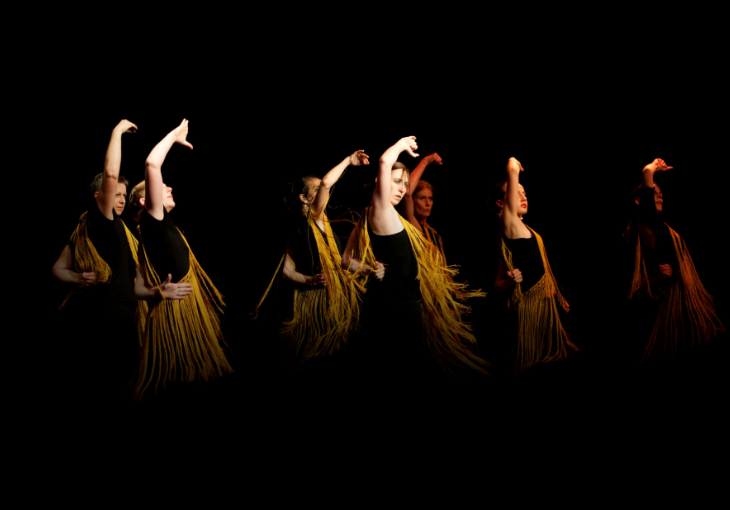
La Soleá, one of the most important flamenco styles, transports the audience to the heart of flamenco, at Teatro Flamenco Madrid
In the elegant and passionate world of flamenco, the soleá emerges as one of the most emblematic and moving styles. With its unmistakeable rhythm and its deep, emotional charge, the soleá is the pure expression of the soul of flamenco, transmitting pain, passion and nostalgia through its verses and lyrics. Visit Teatro Flamenco Madrid to see our flamenco show and watch our flamenco artists perform the soleá.
Origins and History
The soleá has its roots in the primitive flamenco songs that came out of the southern Spanish gypsy communities of the 18th and 19th centuries. Its name comes from the Spanish word for solitude, reflecting the melancholy and suffering that we can find in its lyrics.
Over the years, the soleá has evolved and changed from traditional flamenco codes making way for a wide range of regional styles and modern interpretations creating a contemporary flamenco style.
Musical Characteristics
The soleá is characterised by its binary beat and slow and solemn rhythm. In its most basic form it has a 12 beat cycle, although it might also be found in cycles of 10 or 16 beats. The melodic structure of the soleá is often simple and repetitive, which allows the flamenco singer and guitarist to explore different nuances and emotions during the performance.
But what really distinguishes the soleá is its deep emotional charge and its capacity to transmit a wide range of feelings. The lyrics of the soleá usually talk of unrequited love, loss, desperation and suffering. The flamenco singers use their voices to express these emotions, covering each verse with a strength and passion that reaches the heart of the listener.
The soleá offers an expressive canvas for flamenco artists, allowing them to explore and experiment with different styles and interpretive focusses. From the most traditional, orthodox versions to the most contemporary flamenco and avant-garde adaptations, the soleá offers infinite possibilities for artistic expression. Both flamenco singing and flamenco dancing find the soleá an ideal spot for improvisation and creativity, giving way to unique and exciting performances.
Legacy and Cultural Significance
Considered one of the oldest and most revered flamenco styles, the soleá has a special place in the heart of flamenco lovers as well as in Spanish culture in general. Its deep connection with universal human emotions converts it into a powerful and moving expression of the human soul. Over the centuries, the soleá has endured as a symbol of the very essence of flamenco, transmitting the passion, intensity and beauty of this unique and passionate art form through generations.
Do you want to experience more of flamenco? Come and see us at Teatro Flamenco Madrid, the best place to enjoy authentic, pure flamenco performed by a cast of the best flamenco artists. Book your ticket here to see our daily, live flamenco show, Emotions, and enjoy a unique and exciting flamenco experience.