Filtrar contenido
Curiosidades del flamenco con alma madrileña
Una mirada distinta al arte jondo desde la capital
Madrid es una ciudad con mil caras. Cosmopolita, histórica, viva. Entre su bullicio cultural, el flamenco ha encontrado un espacio privilegiado desde hace siglos. Aunque no nació aquí, la capital se ha convertido en una de sus principales plataformas. En este artículo, recopilamos algunas curiosidades que demuestran cómo Madrid ha aportado su propio acento a la historia del flamenco.
Madrid, la segunda casa del flamenco desde el siglo XIX
Ya a mediados del siglo XIX, Madrid comenzó a acoger a los grandes artistas flamencos de Andalucía. Muchos venían a probar suerte en los cafés cantantes, auténticos precursores de los tablaos. Espacios como el Café de Silverio o el Café Romero fueron el primer gran escaparate del flamenco ante un público urbano y diverso, algo que transformó por completo la proyección del género.
El Café de Chinitas y su lugar en la literatura
El Café de Chinitas no solo fue uno de los tablaos más conocidos de la capital, también quedó inmortalizado en la poesía de Federico García Lorca. En sus versos, el poeta granadino recordaba las noches intensas de cante y baile que se vivían allí. Hoy, ese vínculo entre literatura y flamenco sigue latiendo en los escenarios madrileños.
Flamenco con acento castizo: el papel de los barrios
Barrios como Lavapiés o Embajadores han tenido un peso enorme en la cultura flamenca madrileña. Espacios donde conviven raíces andaluzas, gitanas y castellanas han favorecido el desarrollo de una identidad flamenca particular. No es raro encontrar en estos barrios a jóvenes artistas que ensayan sus pasos en las plazas o improvisan una guitarra en las casas de vecinos.
Las mujeres flamencas que brillan desde Madrid
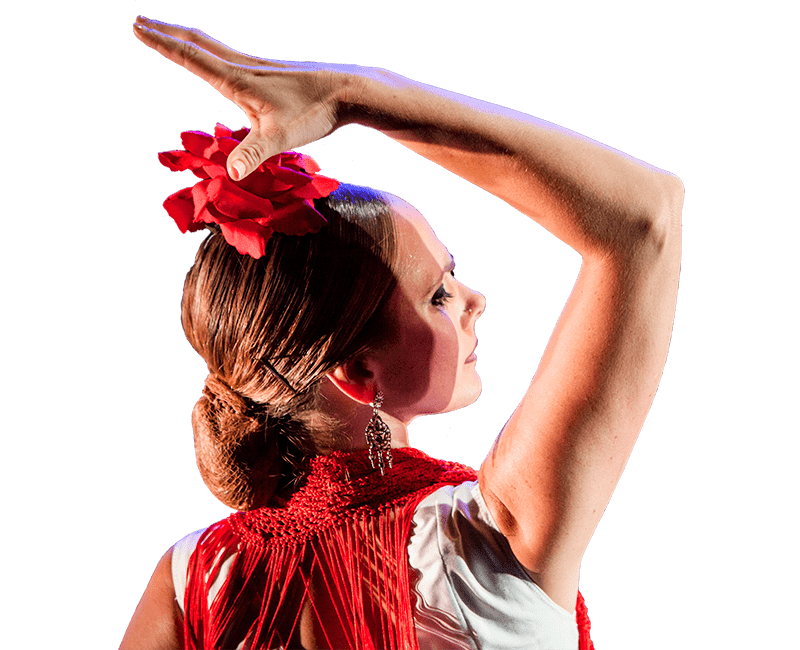
Aunque tradicionalmente el cante y el toque fueron protagonizados por hombres, muchas mujeres han hecho historia en los escenarios madrileños. Algunas nacidas en otras tierras, pero consagradas aquí. Bailaoras, cantaoras y guitarristas que han encontrado en la capital una plataforma para desarrollarse artísticamente.
Madrid y su papel en la internacionalización del flamenco
Desde la segunda mitad del siglo XX, Madrid ha sido clave para la expansión internacional del flamenco. Festivales, grabaciones discográficas, teatros de renombre… Todo esto ha hecho que muchos artistas consideren esencial pasar por la ciudad para lanzar su carrera más allá de nuestras fronteras.
La guitarra flamenca madrileña también tiene escuela
Aunque Andalucía es referente, Madrid ha albergado a grandes guitarristas y a reconocidos luthiers. La ciudad también ha sido testigo de la evolución técnica del toque flamenco, gracias a su carácter mestizo y su apertura a nuevas influencias.
Madrid ha sabido acoger al flamenco como propio. Le ha ofrecido un hogar, un público fiel y nuevos caminos. En Teatro Flamenco Madrid vivimos cada día esta relación tan especial entre la ciudad y el arte jondo. Nuestro escenario es testigo del talento de artistas que, aunque vengan de distintos rincones, encuentran aquí el calor del aplauso y la emoción compartida.